Guides
-
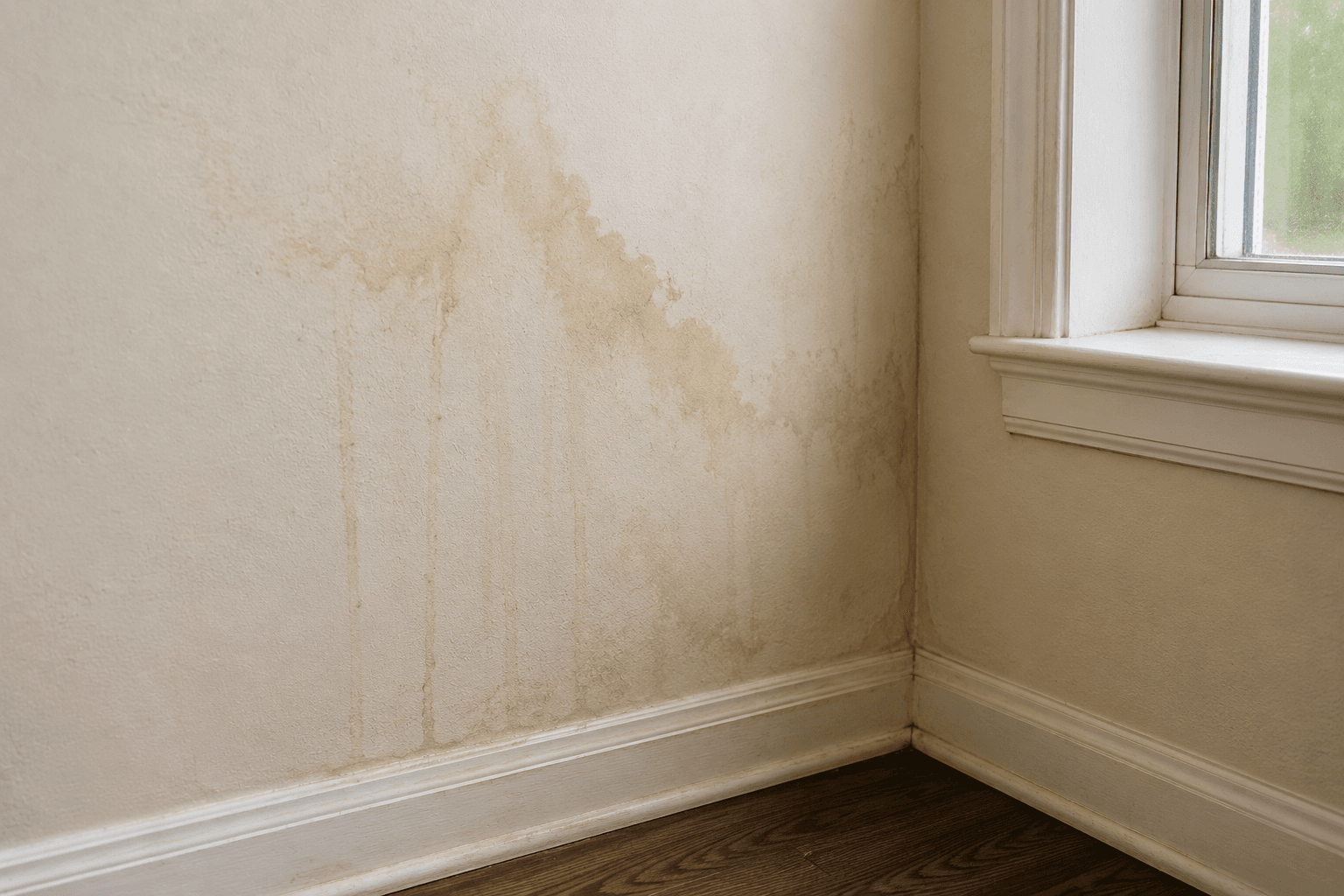
Why Are There Water Stains on My Walls?

Water stains on walls are usually a sign that moisture has entered or accumulated behind the finished surface. The stain may remain even after the area dries, so determining whether the moisture source is still active is important. 1. Look at the Location The stain’s position can provide clues. A stain near the ceiling may…
-
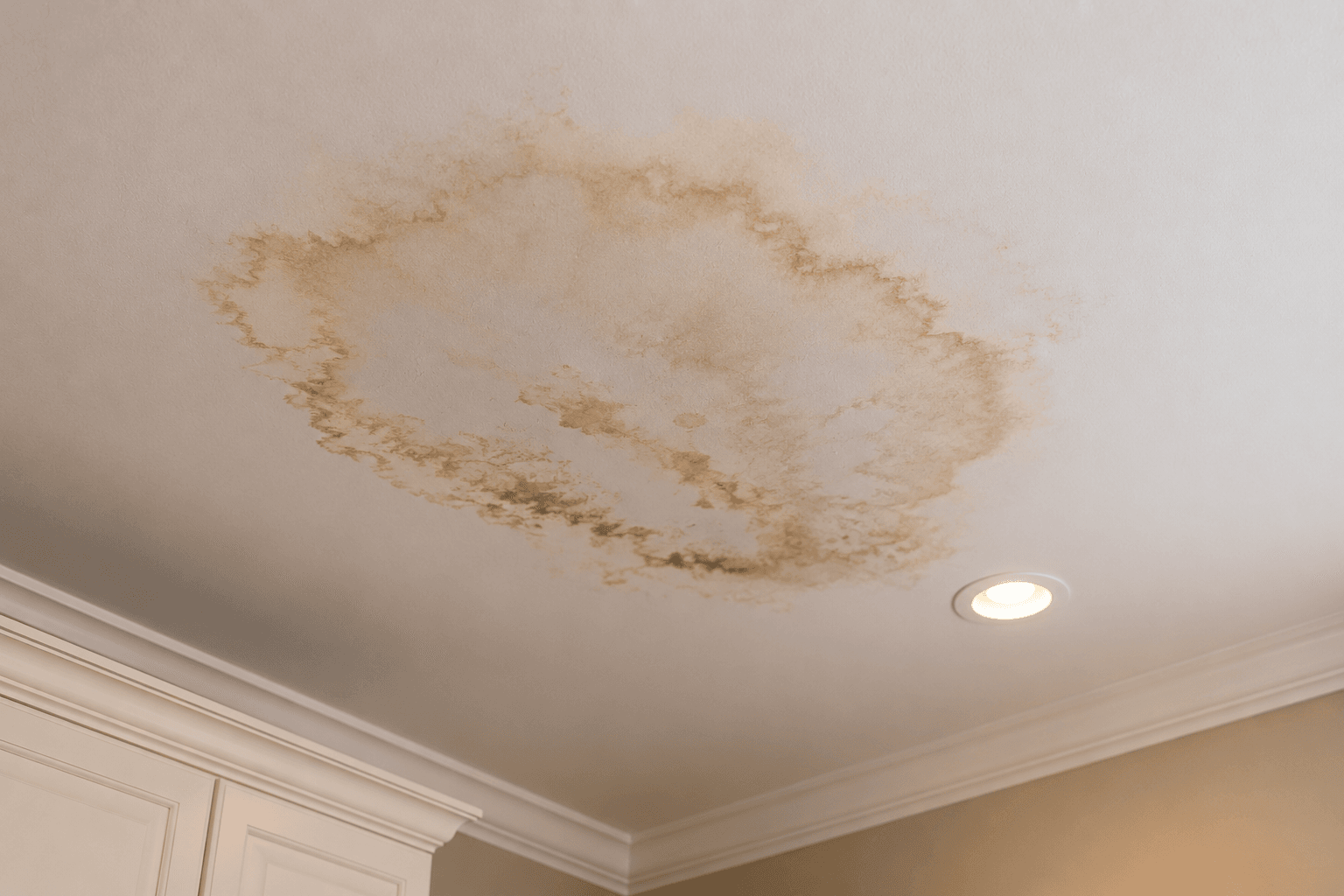
Why Is My Ceiling Stained?
A brown, yellow, or dark stain on a ceiling often indicates that moisture has reached the ceiling material. The source may be plumbing, a roof leak, an air-conditioning system, or another water problem above the affected area. 1. Determine What Is Above the Stain Consider what is located directly above the affected area. Possible sources…
-
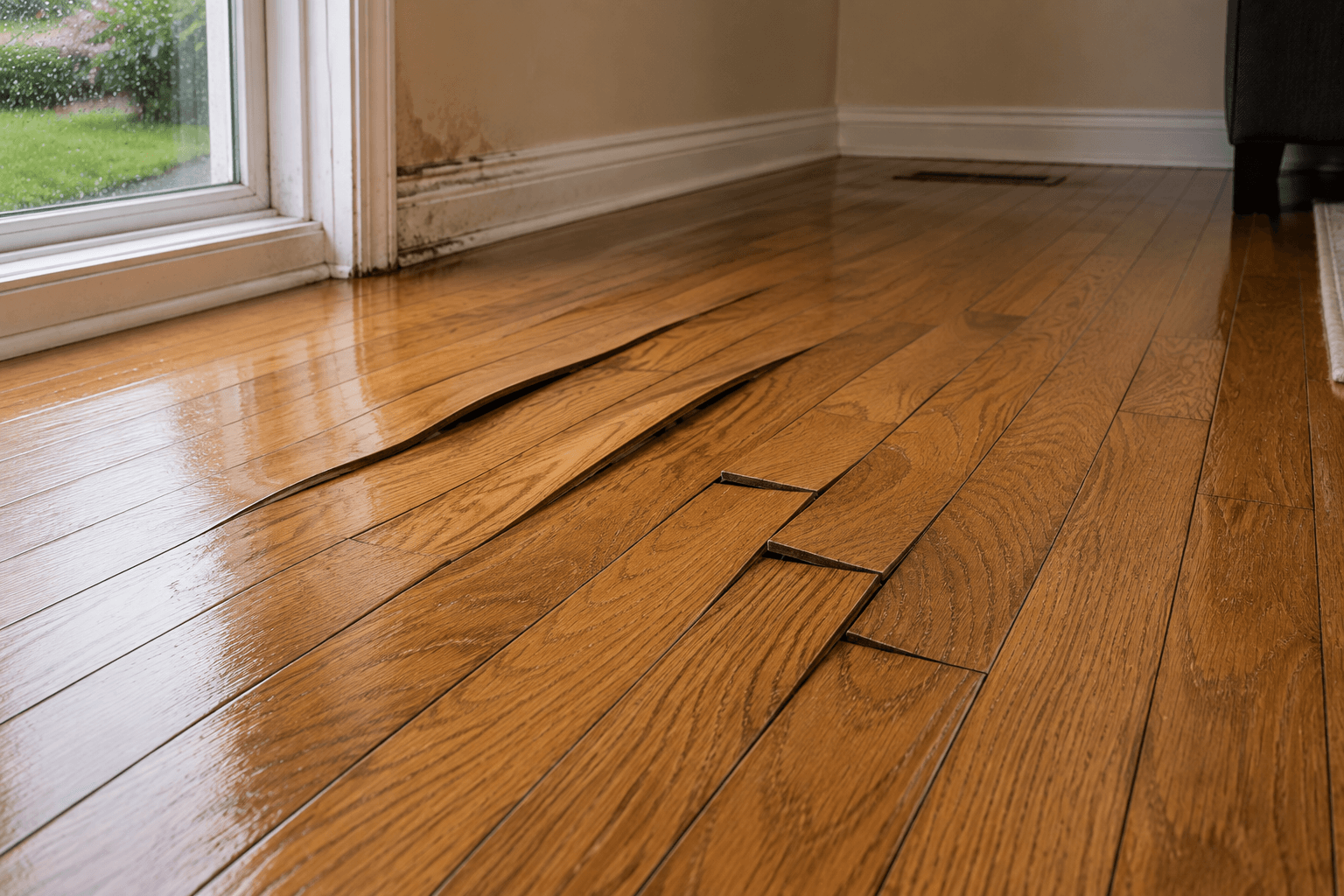
Why Is My Hardwood Floor Buckling?
Hardwood flooring can buckle, cup, or lift when the wood expands and no longer has enough room to remain flat. Excess moisture is one of the most important causes to investigate. 1. Check for Water Look for recent or ongoing sources of moisture such as: Stop active water intrusion as quickly as it can be…
-
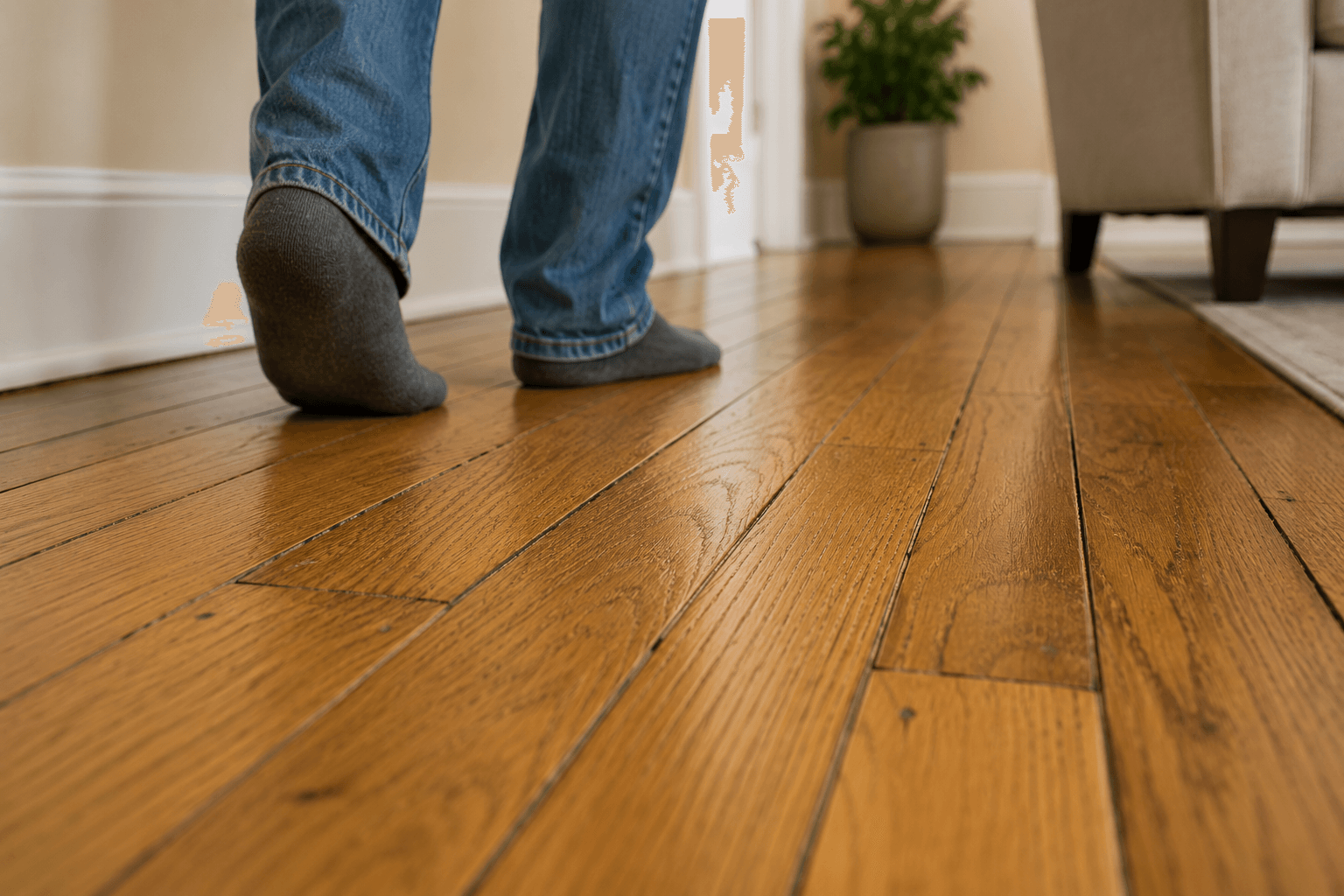
Why Are My Floors Squeaking?
A squeaking floor usually occurs when parts of the flooring system move and rub against each other. Some squeaks are simply annoying, while new or widespread floor movement may deserve closer attention. 1. Identify the Location Walk slowly across the area and determine where the sound is strongest. A localized squeak may be easier to…
-
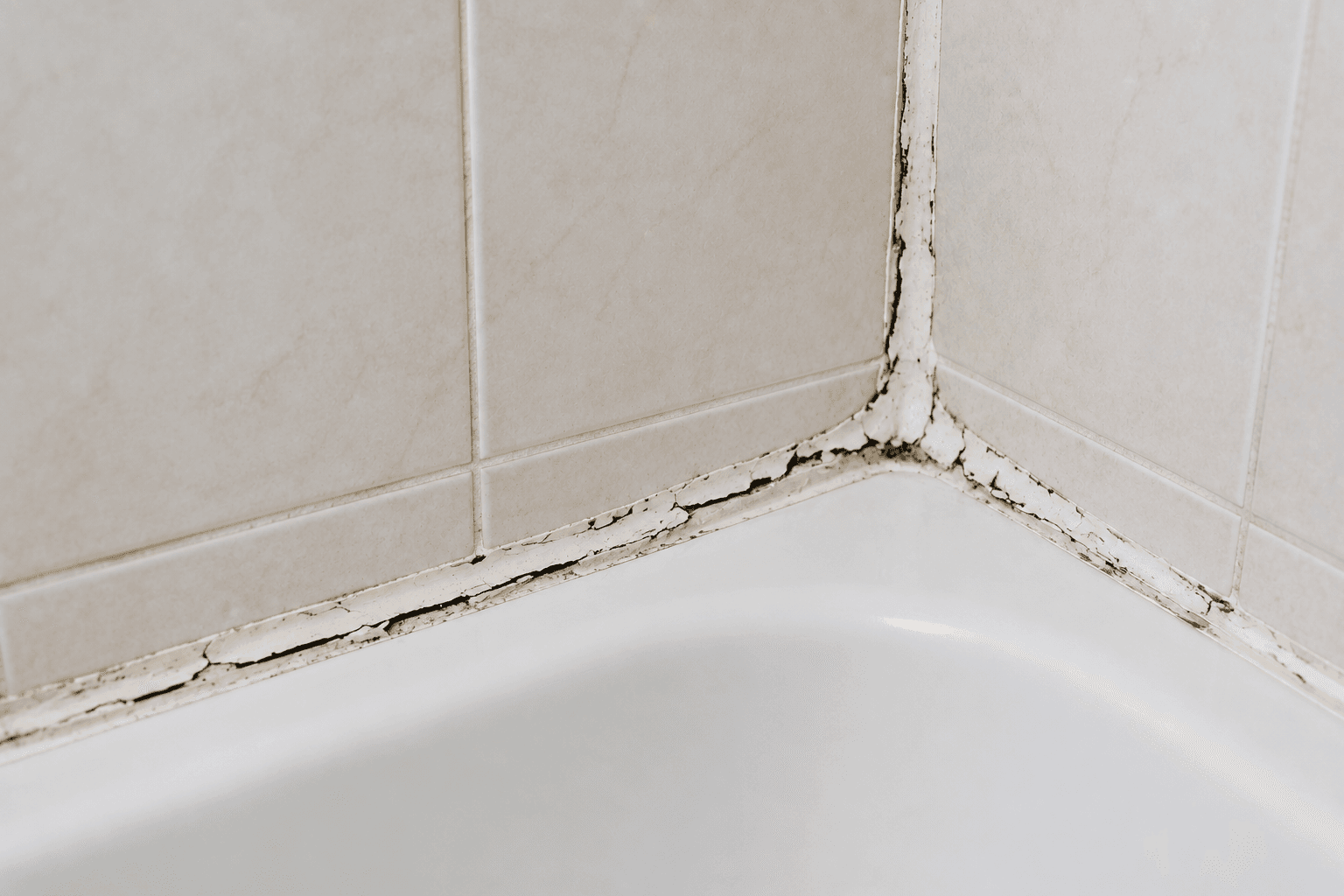
Why Is My Caulk Cracking or Peeling?
Caulk helps seal joints around tubs, showers, sinks, windows, and other areas. Over time, it can crack, shrink, separate, or peel away from the surfaces it is supposed to protect. 1. Consider the Age of the Caulk Caulk does not last forever. Repeated exposure to moisture, cleaning products, temperature changes, and movement can eventually cause…
-
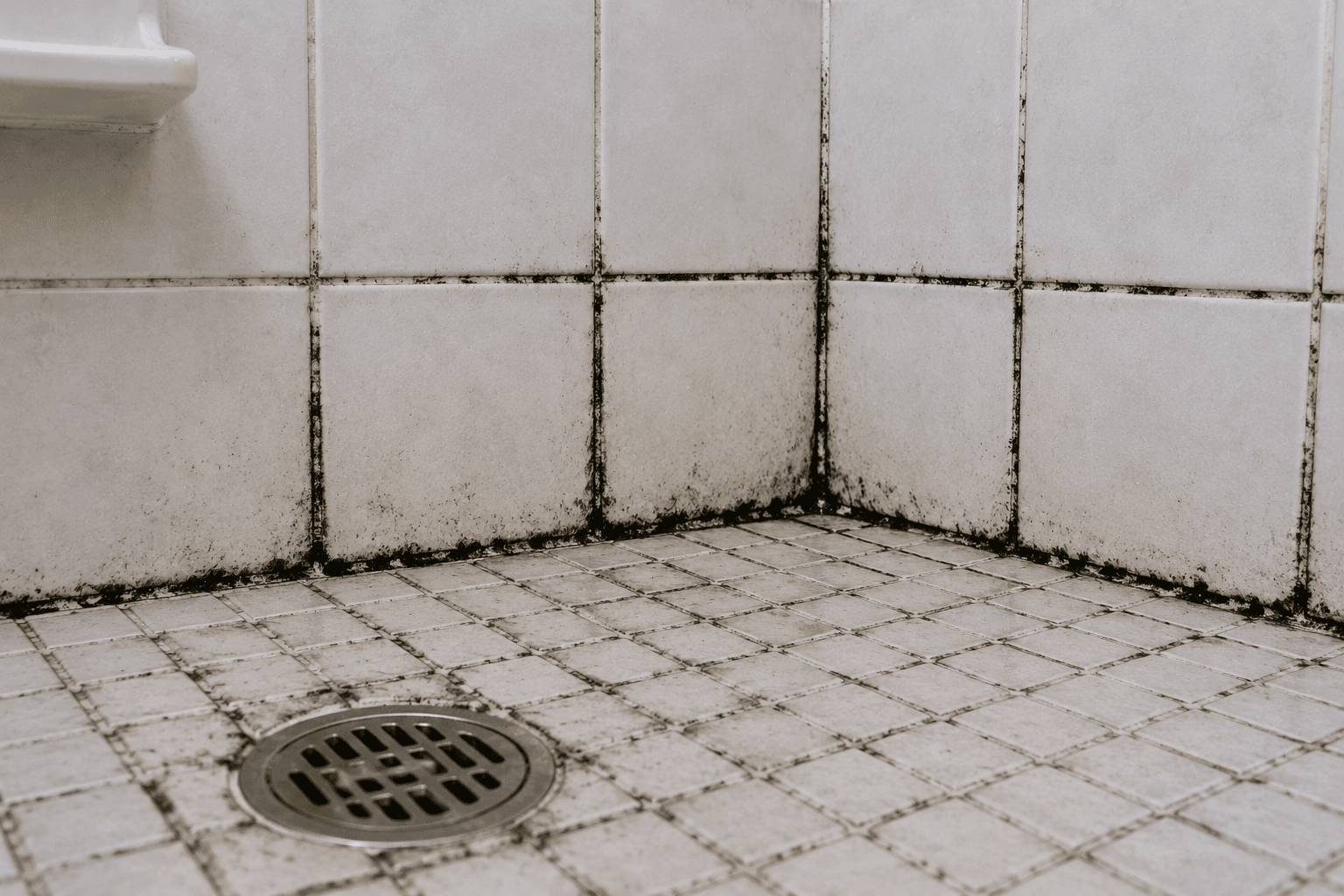
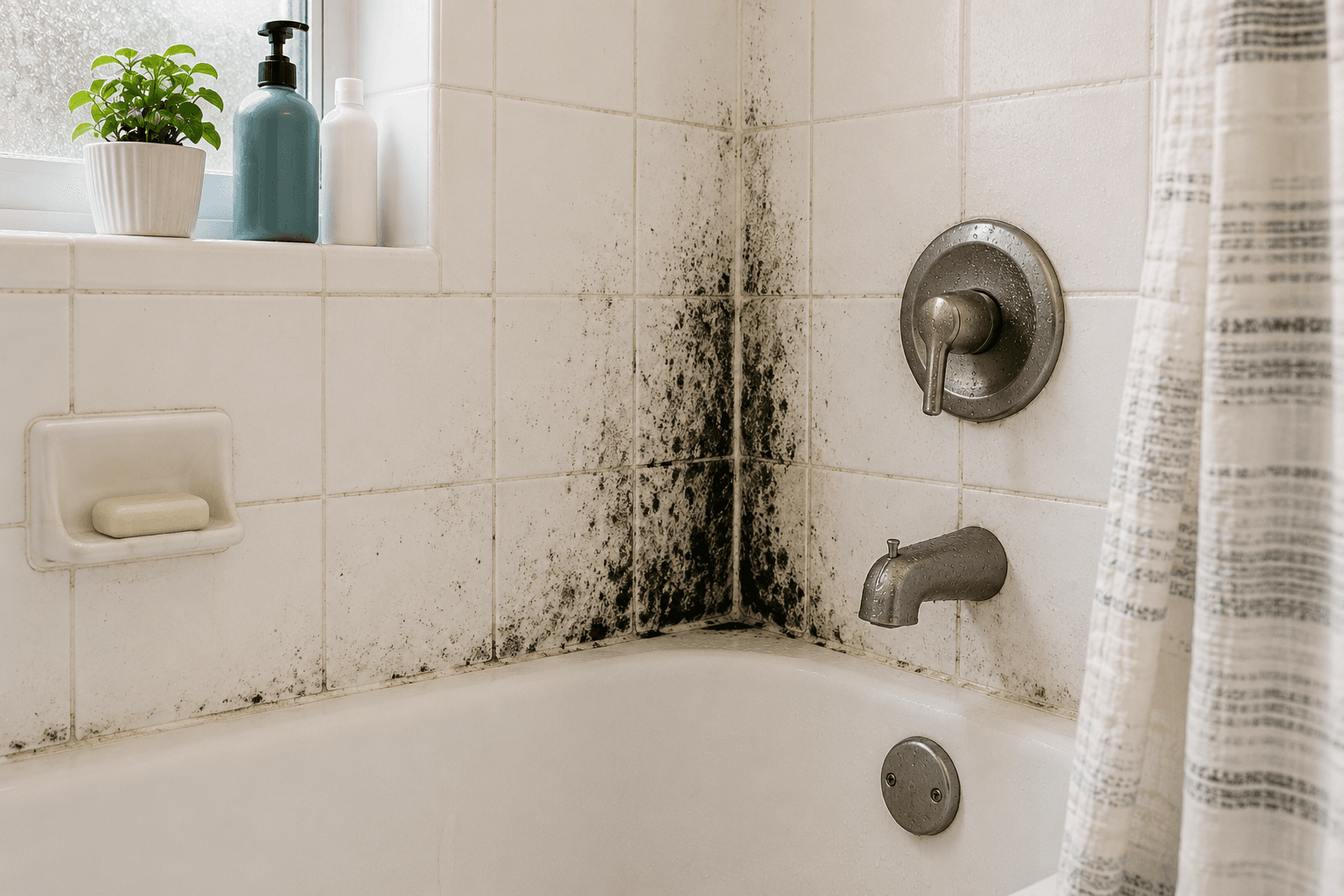
Why Is My Grout Turning Black?
Dark or black grout can develop when dirt, soap residue, mildew, or mold accumulates on damp surfaces. Bathrooms and other wet areas are particularly susceptible. 1. Determine Whether It Is Dirt or Growth Grout can darken simply from accumulated dirt. If discoloration repeatedly returns in damp areas, moisture and biological growth may also be contributing.…
-
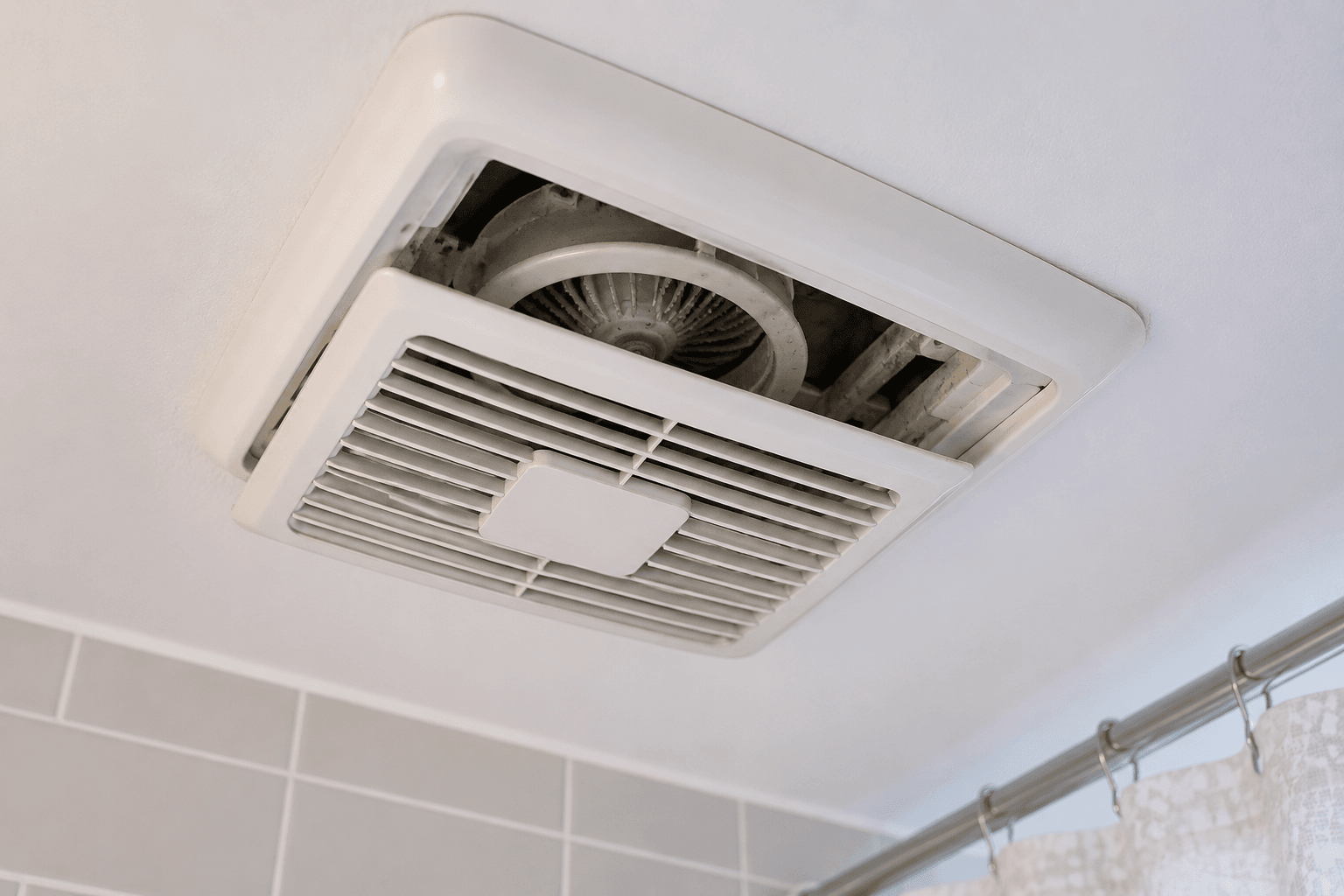
Why Is My Bathroom Exhaust Fan Not Working Properly?
A bathroom exhaust fan helps remove humid air created by showers and baths. When the fan stops working—or moves very little air—moisture can remain in the bathroom and contribute to condensation, peeling paint, and mold. 1. Make Sure the Fan Has Power Turn the fan switch on and listen carefully. If nothing happens, check whether…
-
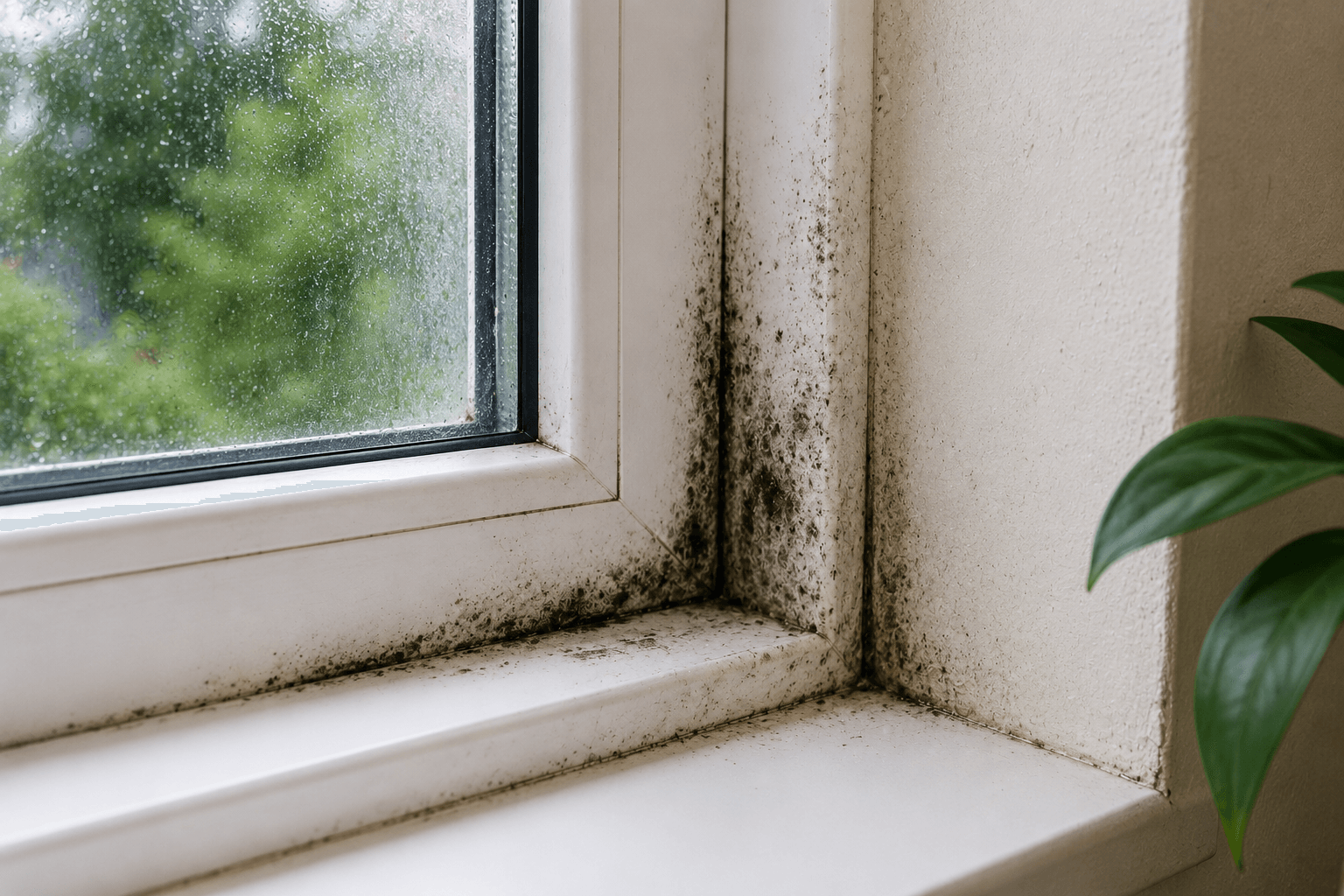
Why Is There Mold Around My Windows?
Mold around windows usually develops because moisture repeatedly collects on or around the window frame. Condensation, air leakage, rainwater intrusion, and high indoor humidity can all contribute. 1. Check for Condensation Look for water droplets on the glass, frame, or sill. If condensation frequently forms on the inside of the window, indoor humidity may be…
-
Why Does Mold Keep Growing in My Bathroom?
Bathrooms provide many of the conditions mold needs: moisture, warmth, and surfaces that may remain damp after bathing. If mold repeatedly returns after cleaning, controlling the moisture source is essential. 1. Use the Exhaust Fan Run the bathroom exhaust fan during showers or baths and leave it running for a while afterward. The fan should…
-
Why Does My House Smell Musty?
A musty smell in a home often indicates excess moisture somewhere in the building. Sometimes the source is obvious, but moisture can also collect in hidden areas such as closets, under sinks, behind furniture, or inside walls. Finding the source is more important than simply covering the odor with air freshener. 1. Check for Damp…