Guides
Choose between related guides
Several problems can affect the same fixture. Open a group and choose the symptom you can observe. These routes help you find the relevant guide; they do not diagnose the cause.
Toilet symptoms
Wet walls and damaged finishes
Window symptoms
Cooling and water near the AC
Find a guide that matches the symptom you can observe. Each guide explains useful information to record, checks within an owner’s scope and when qualified help is needed. Choose a category below or browse the articles.
-
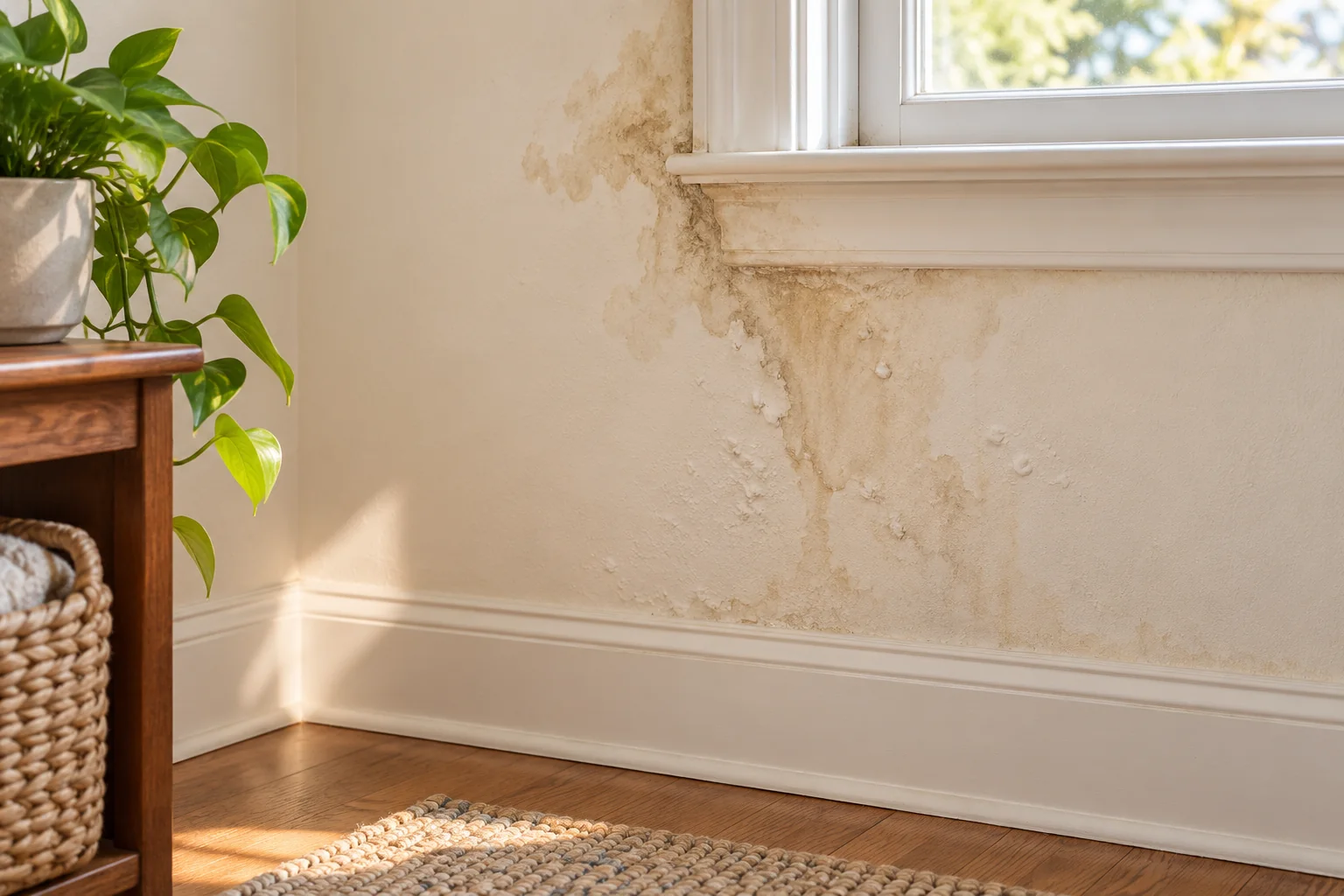
Why Are There Water Stains on My Walls?

A wall stain can remain after water has gone, appear when an intermittent leak returns, or come from a different type of contamination. Its color does not identify the cause. This guide focuses on deciding whether discoloration is active and when refinishing is appropriate. For a wall that remains wet, begin with the damp-wall investigation…
-
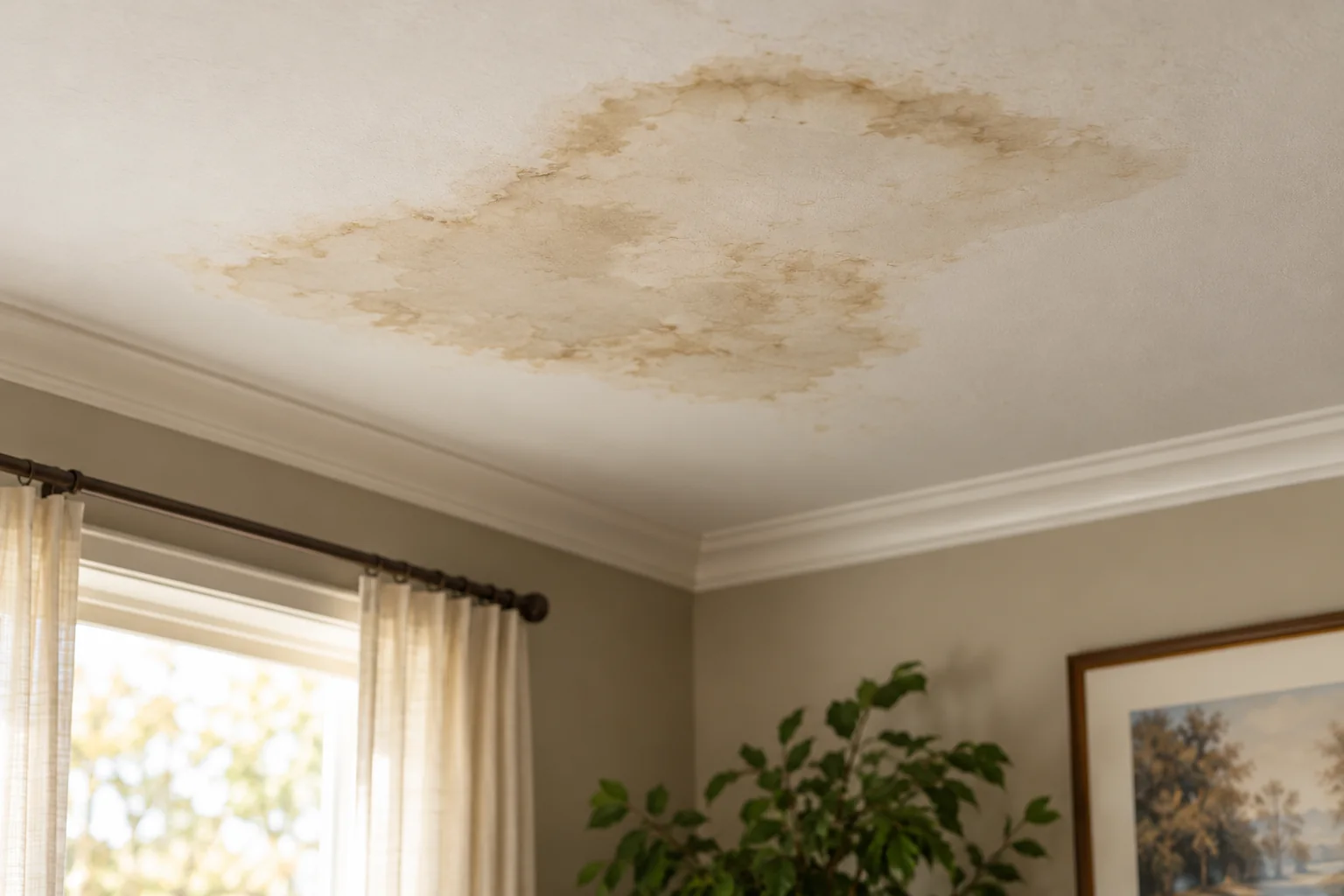
Why Is My Ceiling Stained?
Treat a ceiling stain as a location to investigate, not a diagnosis of a roof leak. Record what is above it, when it changes and whether the ceiling is deforming. A dry historical mark, a rain-related leak and water appearing after an upstairs shower need different investigations. Clear the area if the ceiling is changing…
-
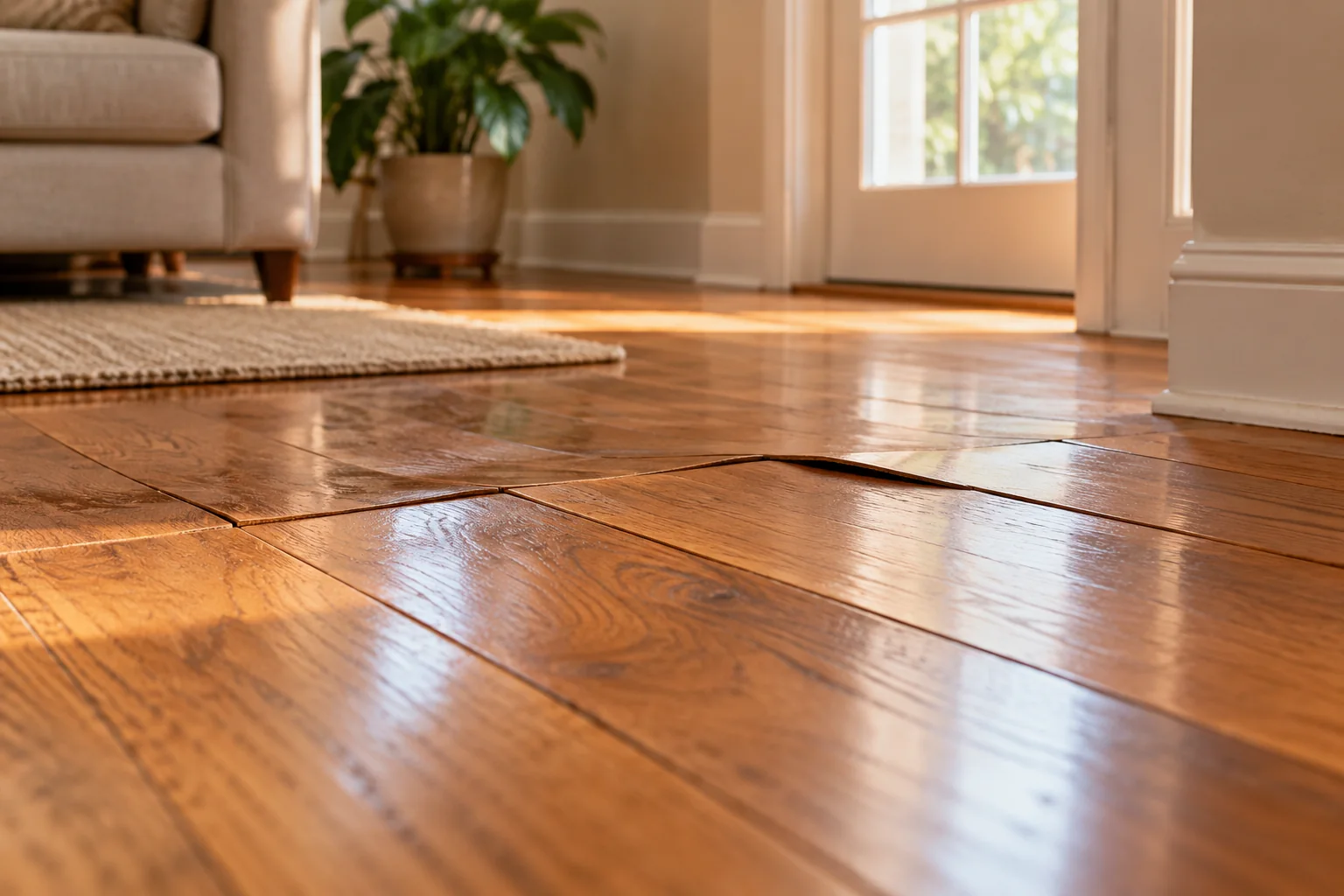
Why Is My Hardwood Floor Buckling?
First describe the shape: individual boards with raised edges, a raised center, or a section lifting away from the floor beneath it. These appearances are not interchangeable. Keep people clear of a raised or unstable section and investigate the water history and installation before planning a cosmetic repair. Identify the change without forcing the floor…
-
Why Are My Floors Squeaking?
A floor squeak tells you that something moves when loaded; the sound alone does not identify a loose board, a subfloor connection or a framing problem. Start by recording the exact location, flooring type and whether the floor feels different. A stable, longstanding noise and a newly soft or sagging area need different responses. Separate…
-
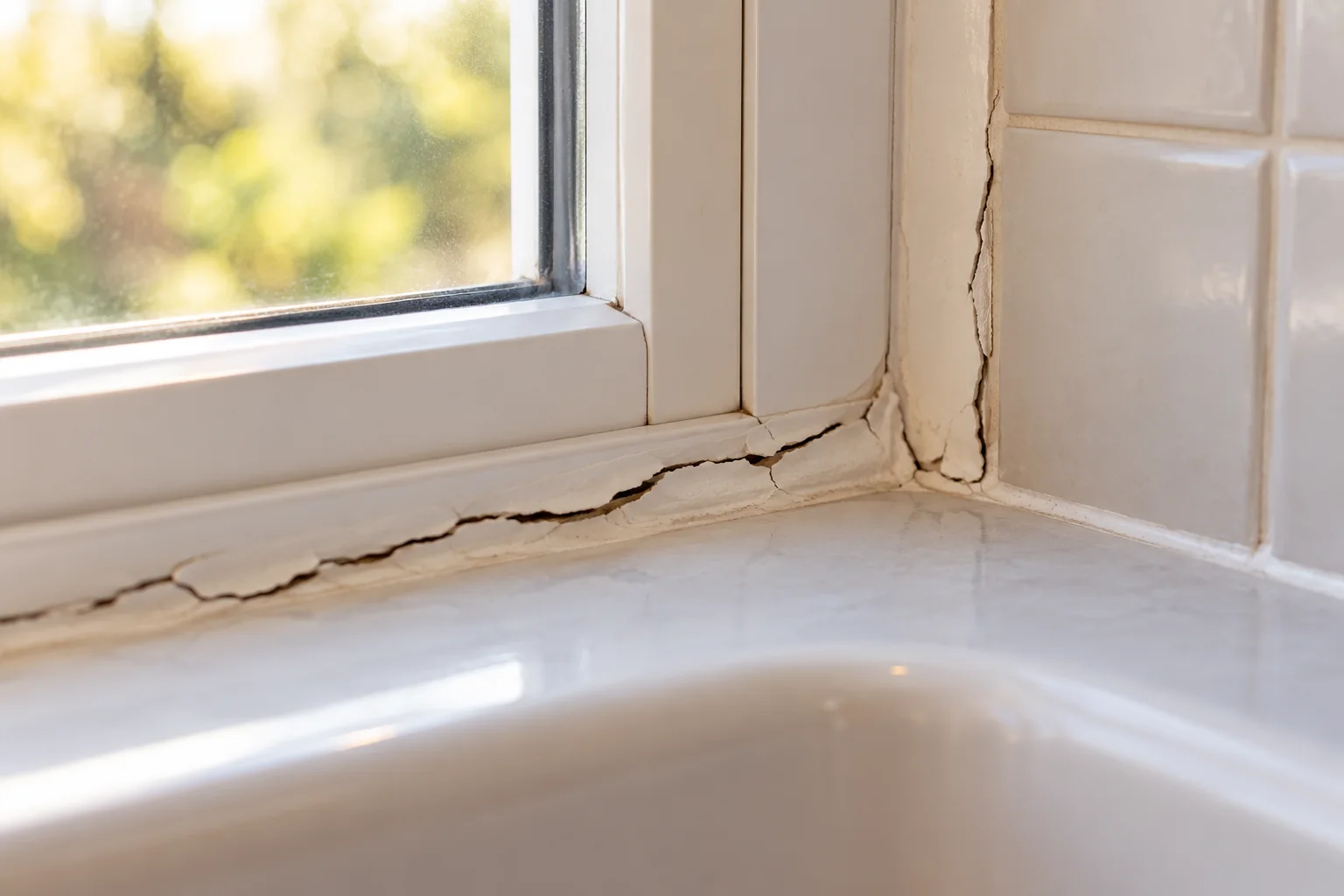
Why Is My Caulk Cracking or Peeling?
Describe how the bead failed before replacing it: it separated from one surface, split through its middle, stayed soft, or developed a cracked paint layer while the sealant beneath remained intact. The product, joint movement, preparation and timing matter. Repeating the same bead without checking those details can repeat the failure. Decide whether this is…
-
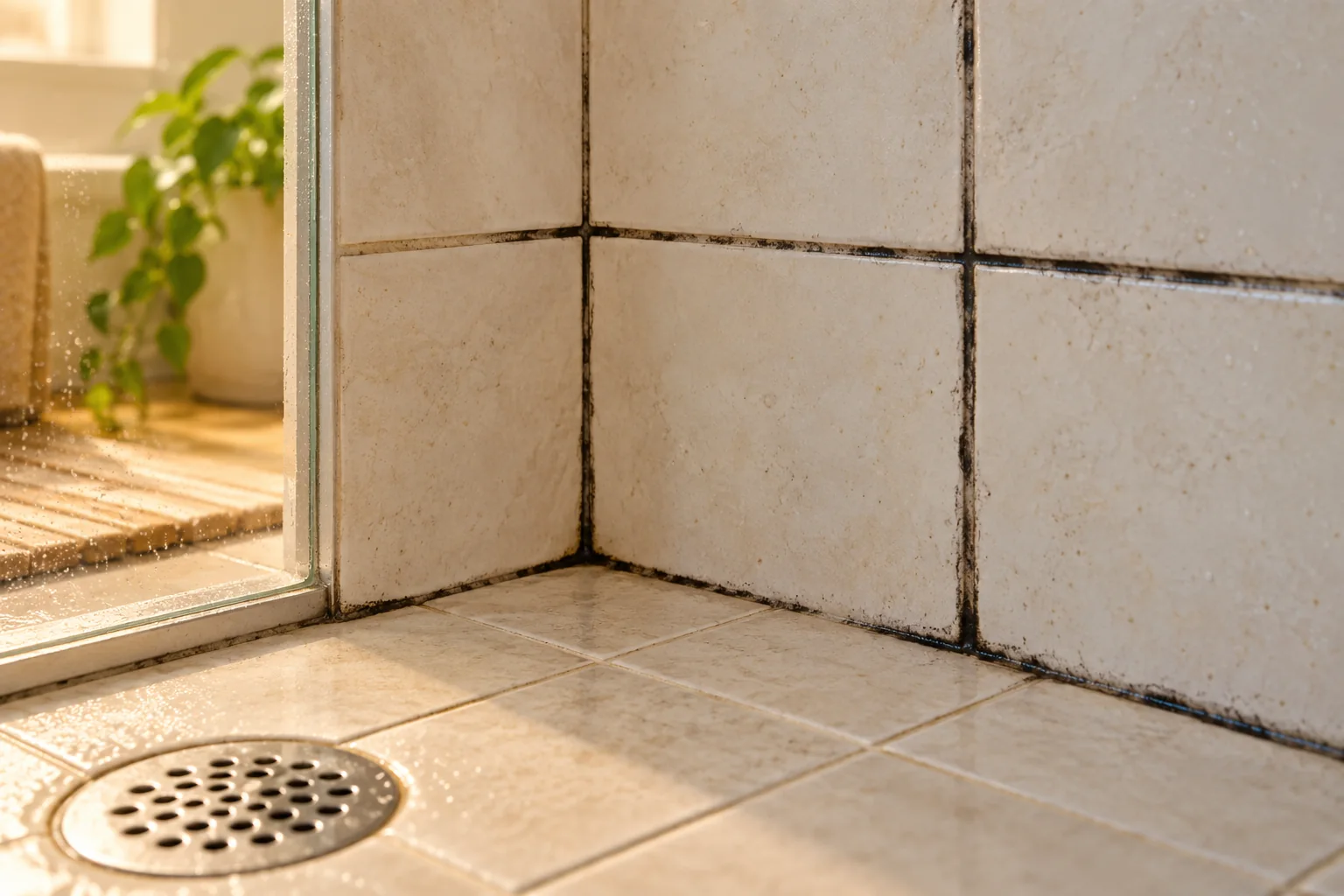
Why Is My Grout Turning Black?
Dark grout can reflect surface residue, staining, persistent wetness or growth. Black color alone cannot identify the cause or a mold species. First establish the grout and tile materials, whether the area dries normally, and whether joints are intact before choosing a cleaner or replacement. Identify the materials and failure pattern Use installation records, product…
-
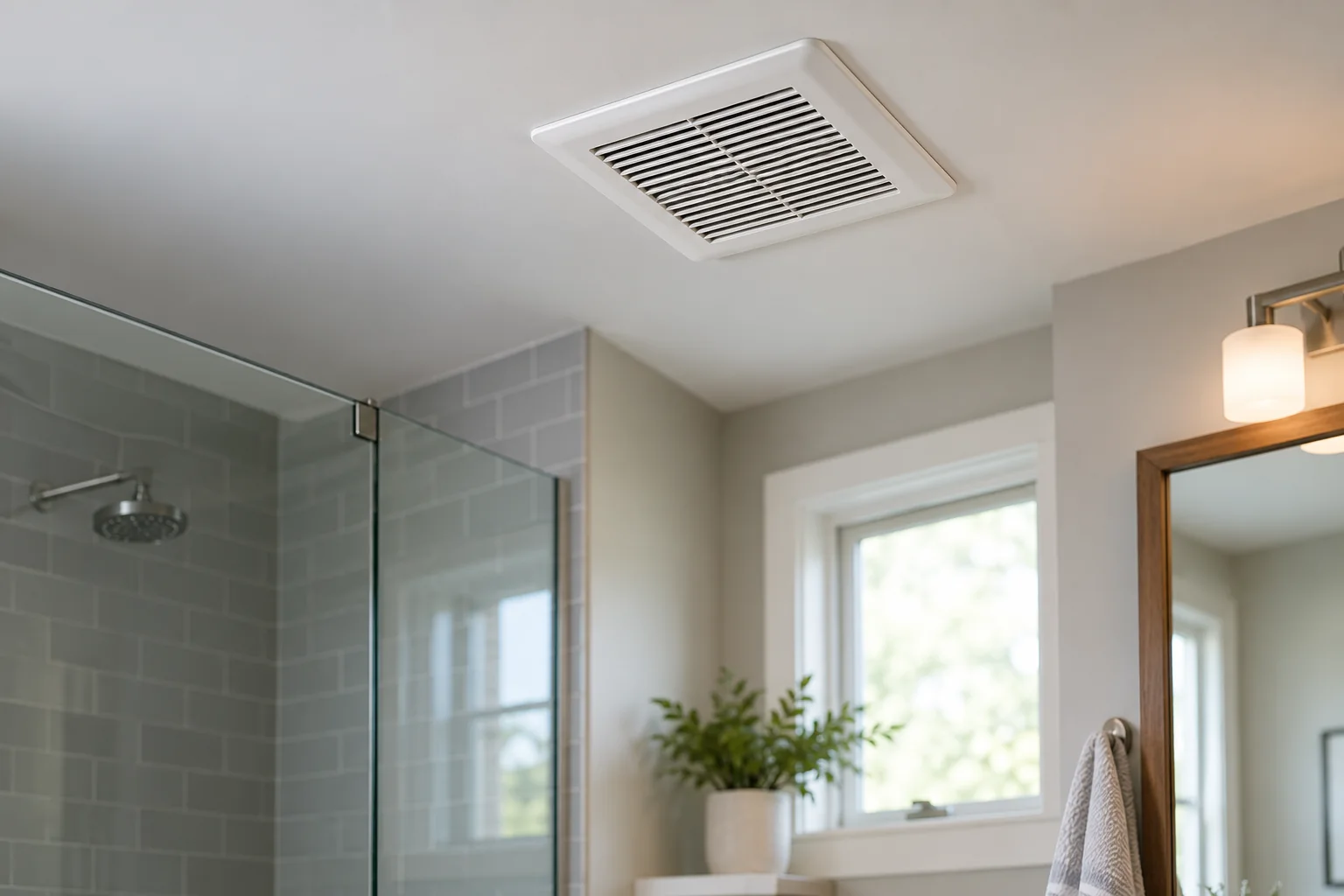
Why Is My Bathroom Exhaust Fan Not Working Properly?
Describe whether the fan is silent, hums without normal operation, makes new mechanical noise, or runs while moisture persists. A working light does not prove the fan works, and a spinning fan does not establish that moist air reaches outdoors. Identify the model and normal control behavior before assuming a replacement motor is needed. Stop…
Read the guide: Why Is My Bathroom Exhaust Fan Not Working Properly?
-
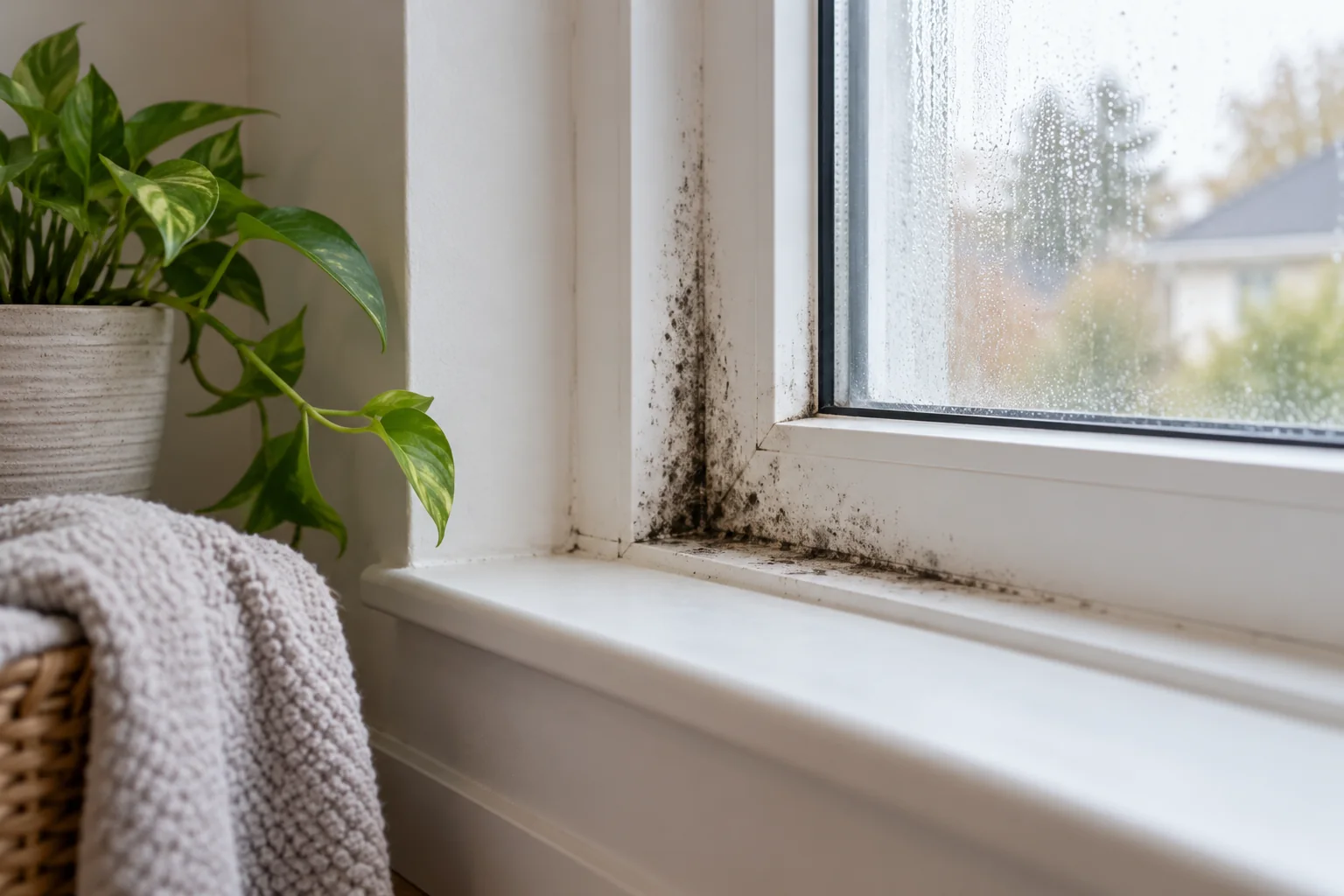
Why Is There Mold Around My Windows?
Locate both the recurring growth and the water pattern. A room-facing sill with repeated condensation, a frame that becomes wet during rain, and a soft wall below the window need different investigations. Cleaning the same visible area will not establish why moisture returns. Assess the task before cleaning Keep away from damaged glass, unstable framing,…
-
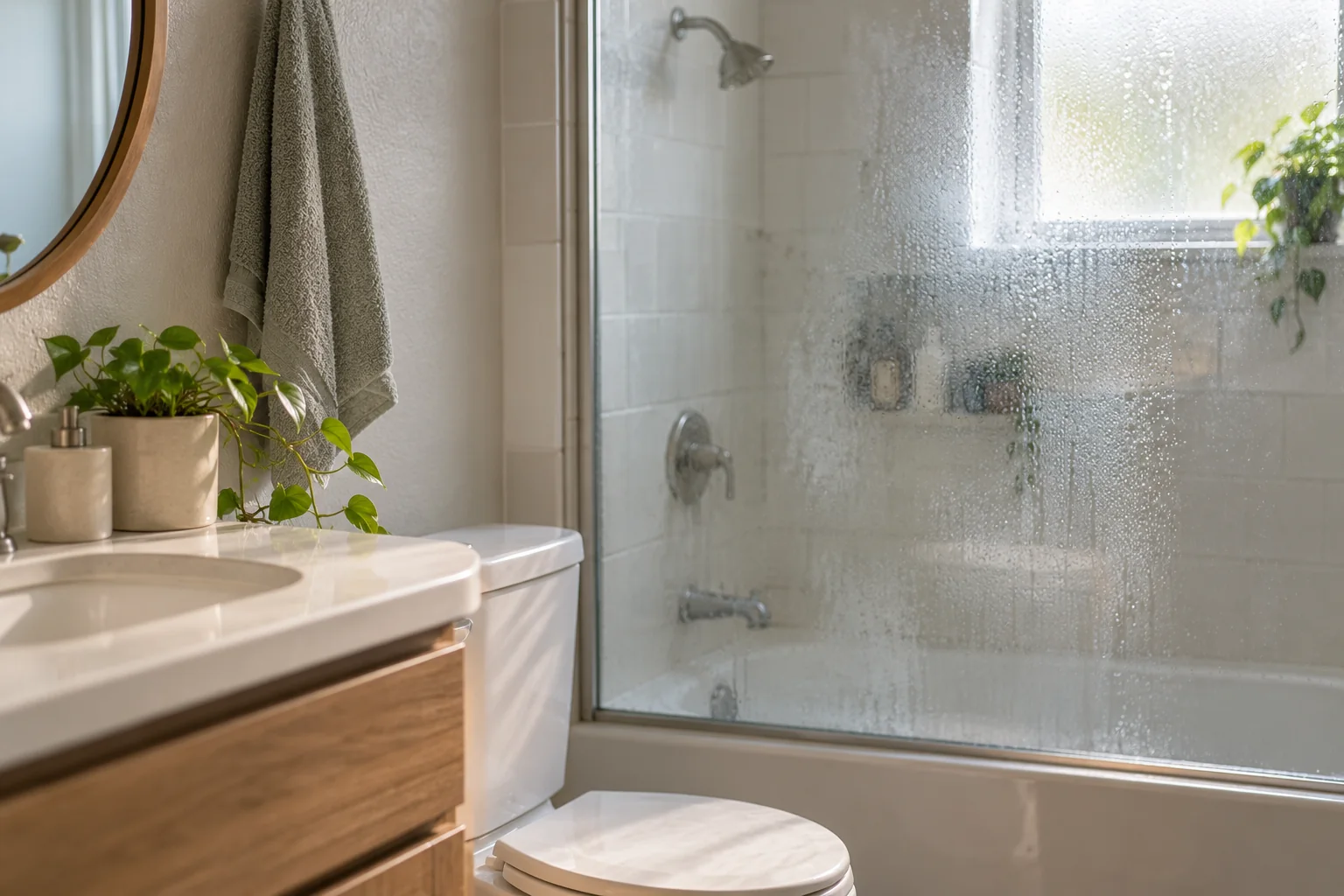
Why Does Mold Keep Growing in My Bathroom?
Recurring bathroom growth means the cleanup and moisture pattern both need review. Distinguish a small surface area that stays wet after bathing from a damp wall, leak, deteriorated joint or wider damage. Photograph the location and record how soon it returns after cleaning; do not assume that a stronger chemical will solve it. Choose the…
-
Why Does My House Smell Musty?
Use a musty smell as a reason to investigate moisture, not as a diagnosis of a mold species or a reason to buy a deodorizer. Record where it is strongest, when it appears, and any recent leak or wet material. A localized cupboard odor, a room-wide damp smell and an odor linked to cooling operation…